Turn Local SEO Wins Into Measurable Foot Traffic
Ranking well for local SEO in Dallas is great, but it does not pay the bills by itself. What actually matters is how many people walk through your door, call your store, or buy from your counter because of that visibility. If you are only looking at screens and not at your register, you are missing the real story.
Many local owners get stuck watching vanity numbers like impressions, clicks, and likes. Those can look exciting in a busy North Texas market, but they do not prove that more customers are coming in. When we tie your local SEO to offline conversion tracking, we can see which efforts actually bring people into your store.
In this guide, we will walk through practical ways to track in-store results from your Google Business Profile, QR and UTM offers, call tracking, and simple POS matchback. Set up even a few of these before the back-to-school rush, Cowboys season, and holiday prep, and you will be way ahead of most local competitors.
Stop Chasing Vanity Metrics in Local Search
Vanity metrics are the numbers that look good on a report but do not clearly connect to sales. For local SEO in Dallas, that usually means:
- Impressions on search or maps
- Generic website sessions with no clear next step
- Likes or comments on random posts
Actionable metrics tell you if your marketing is working in real life, not just online. For brick-and-mortar businesses, that often means:
- Store visits linked to a specific campaign
- First-time customers versus repeat customers
- Revenue per visit or average ticket size
You can rank high on Google Maps, see your profile views climb, and still have flat sales. If you are not tracking what happens after the click or call, any channel can look better than it really is. That leads to real opportunity cost. You might keep pouring effort into posts or keywords that mostly attract price shoppers while ignoring a small campaign that quietly brings you loyal, high-value customers.
When you measure offline conversions well, you can finally compare:
- Maps vs organic search pages
- Direct mail vs display ads
- Paid search vs walk-in word of mouth
Then you can shift budget and energy toward the mix that brings in your best local customers, not just the loudest numbers on a dashboard.
Turn Google Business Profile Into a Storefront Tracker
Your Google Business Profile is often the first thing people see when they search for you. With a few changes, it can also become one of your best tracking tools.
Start by setting it up for trackable actions:
- Use a dedicated call tracking number on your profile
- Add an appointment or booking link where it makes sense
- Use a UTM-tagged website URL so you know visits came from your profile
In Google Business Profile, turn on reporting for Calls and Messages. In your analytics platform, create goals for actions like:
- Clicks on the tracked phone number
- Submissions on forms that people reach from your profile link
- Appointment bookings that start from that profile link
Each month, export your Google Business Profile Insights and compare them with your in-store transaction reports. Watch for:
- Days when calls or messages spike
- Times of day with the most actions
- Search phrases that show higher intent
Then look at your register for those same days and times. If you see a bump in transactions that lines up with a spike in profile actions, you know your local SEO in Dallas is driving real traffic, not just views.
Use QR Codes and UTM Offers to Track Walk-in Demand
QR codes and UTM tags make it much easier to connect offline interest to online tracking. They are perfect for seasonal offers and local events.
Create trackable offers by:
- Building landing pages with clear offers
- Adding UTM tags that label each campaign and location
- Turning those URLs into QR codes for print pieces
You can place those QR codes on:
- Direct mail pieces that go to nearby neighborhoods
- In-store posters or counter signs
- Door hangers or event handouts
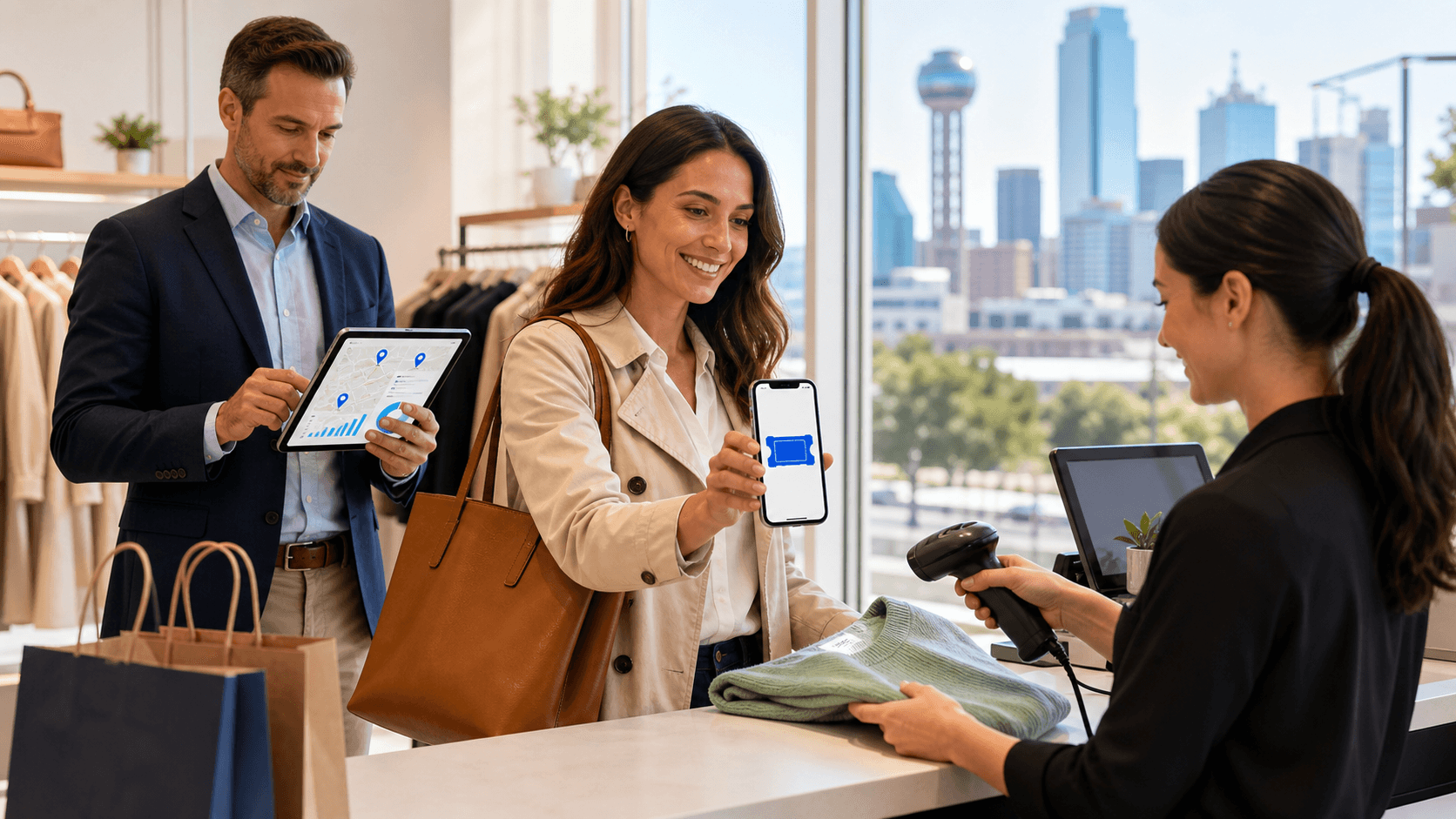
When someone scans the QR code, they land on a page or coupon form. There, you can capture their email, source, and time. At the register, have staff log redemptions with a matching promo code or barcode so you can line up:
- QR scan time
- Offer source and campaign
- In-store redemption and sale amount
For late summer and fall in Dallas, think about:
- Back-to-school offers for supplies, services, or family activities
- Cowboys game-day specials or fan-themed packages
- State Fair timing for visitors who are already out and about
- Early holiday shopping deals for planners
Run different QR and UTM codes for each promo so you can compare which themes and neighborhoods respond best.
Track Phone Calls and Connect Them to Store Visits
Phone calls still drive a lot of high-intent local business, especially for services and high-ticket items. If you are not tracking those calls, you are missing a big part of your offline conversions.
Set up call tracking numbers so you can see exactly which:
- Google Business Profile listing
- Local SEO landing page
- Paid search ad or display ad
generated each call. For websites, use dynamic number insertion so each visitor sees a number tied to their source and keyword.
Then, categorize calls with simple tags such as:
- New customer
- Existing customer
- Appointment or reservation
- Quick question or price check
Call recordings or notes help you see which calls actually turn into booked visits or sales. You can then send this call conversion data back into your ad and analytics platforms. That lets you:
- Raise bids on keywords and zip codes that bring high-intent callers
- Trim spend where calls are short, unqualified, or rarely lead to visits
- Align staffing when you know phones and walk-ins peak at the same times
Now your call volume is not just a number, it is a clear link between your marketing and your store traffic.
Match POS Sales Back to Your Marketing Channels
Your point-of-sale system is the missing puzzle piece that connects all this tracking to real money. With a few light touches at checkout, you can match sales back to specific campaigns.
Ask for simple identifiers such as:
- Promo codes or coupon barcodes
- Customer phone numbers
- Email addresses for digital receipts or loyalty
Then, export both your POS data and your marketing data, including:
- UTM tags from online sessions
- QR scans from offline pieces
- Call logs from tracked numbers
Match them by code, phone, or email. This matchback reporting shows you:
- Which channels bring in higher revenue per visit
- Which neighborhoods respond best to certain offers
- Which promotions drive first-time buyers versus repeat buyers
With that insight, Dallas businesses can plan smarter for Q4 and beyond. You can double down on offers that bring profitable customers, adjust staffing when you know traffic will spike, and pause efforts that look good on screens but do not show up in your bank account.
Turn Offline Conversion Data Into Your Competitive Edge
The path is clear. First, tighten up tracking on your Google Business Profile. Next, roll out QR and UTM offers that tie offline interest to online data. Then, layer in call tracking and simple POS matchback so you can see the full story from search to sale.
When offline conversions become your main success metric, your local SEO in Dallas shifts from guesswork to steady improvement. Each quarter, you can refine keywords, offers, and channels based on what actually brings people through your door. A marketing partner like Ad Pages Solutions, based right here in Texas, can help tie your direct mail and digital efforts together so every campaign is held to one simple standard: real, measurable in-store results.
Get Started With Your Project Today
If you are ready to bring in more customers from search, we are here to help you map out a clear plan and execute it. Our team at Ad Pages Solutions will review your current online presence, identify quick wins, and build a long-term strategy focused on measurable results. Explore how our local SEO in Dallas services can position your business in front of the right customers at the right time. Reach out today so we can discuss your goals and outline the next steps for your project.