Turn Dallas Browsers Into Local Store Buyers
Dallas shoppers are on their phones all day, but they still like to walk into real stores, grab food on the way home, or stop by a showroom before they buy. The gap between that quick mobile search and the actual in-store visit is where many local businesses lose money. Retargeting ads are one of the best tools we have to close that gap and turn online interest into real store traffic.
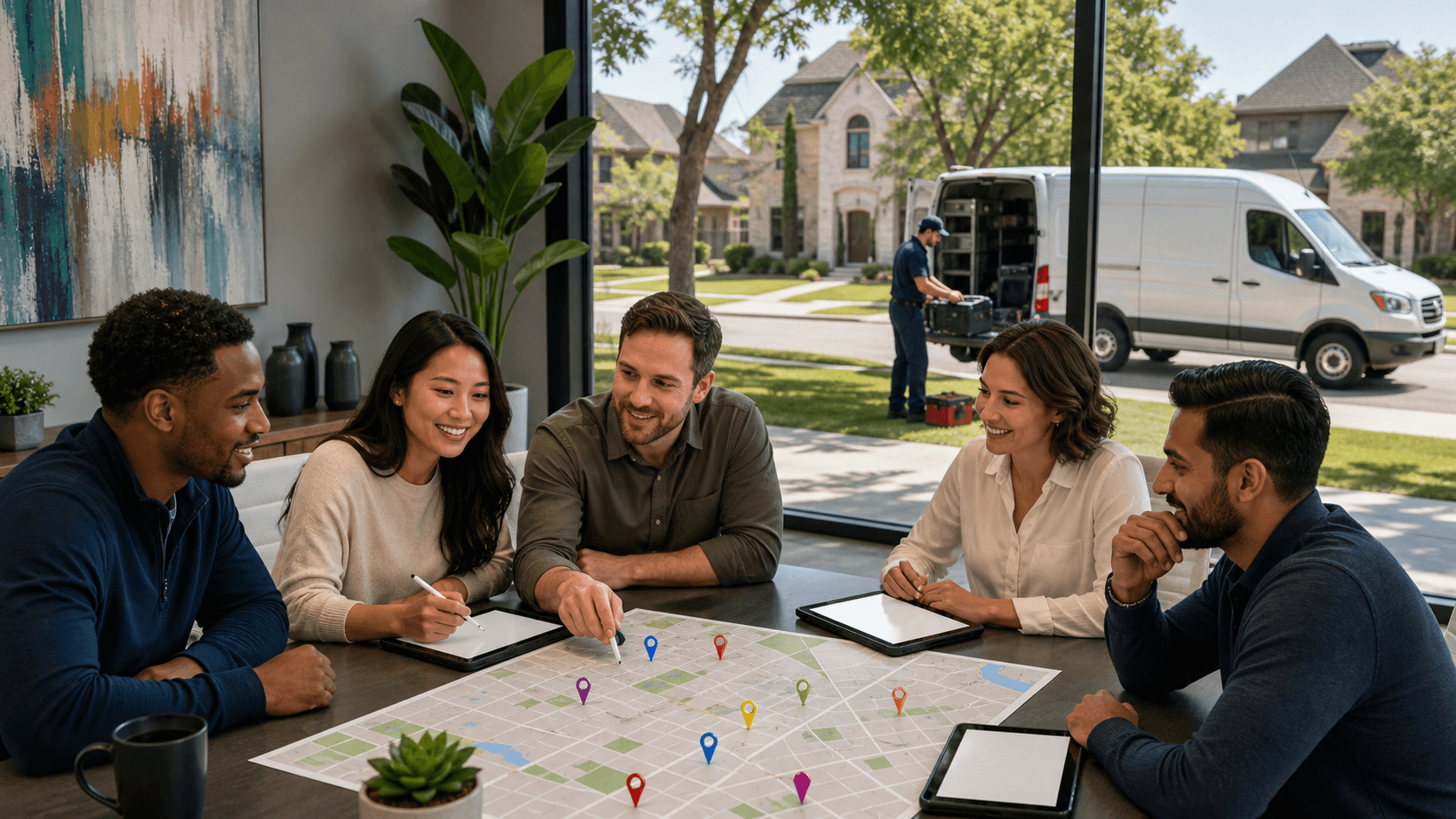
Geo-fenced store-visit retargeting makes this even more powerful. With this strategy, we use privacy-safe, location-based signals to see when people who saw your ads later walk into your store. Instead of guessing what worked, you can connect your ads to in-person visits during busy seasons and slower months.
In this article, we are going to walk through how retargeting ads in Dallas, geo-fencing, incrementality testing, and smart frequency caps can help local businesses drive real-world results, not just clicks and impressions on a screen.
Why Retargeting Ads in Dallas Demand New Tactics
The Dallas, Fort Worth area is crowded with ads. People see coupons, social posts, search ads, and video all day long. During higher-demand times, the noise gets even louder, and simple "set it and forget it" retargeting can burn through your budget without bringing more people through your doors.
Modern retargeting is not just showing the same banner ad over and over until someone gives up and clicks. Done right, it focuses on people who have already shown some kind of interest, such as:
- Visitors who checked your website or menu
- People who tapped your location in a map app
- Shoppers who opened or viewed your digital coupon
- Social users who liked, commented, or watched your content
The old style of "stalker ads" ignored timing and relevance, hitting people with the same message again and again. That kind of approach can annoy customers and drag down your brand.
Local Dallas brands need retargeting that can answer deeper questions, like:
- Do these ads actually drive new store visits?
- Are people who see our ads spending more in-store?
- Which audiences are worth showing ads to again?
Basic metrics like clicks and views are not enough. You need to see which retargeting ads in Dallas are truly moving people into your location and growing revenue.
Geo-Fenced Store-Visit Retargeting for Local Growth
Geo-fencing is a way to mark a real-world area with a digital boundary using GPS data. For brick and mortar businesses, that means we can draw a custom "fence" around your store, around your competitors, or even around key nearby hotspots.
Here is how it works in simple terms:
- We set a GPS-based fence around your store location.
- A shopper in Dallas sees your ad online and is added to your retargeting audience.
- Later, their mobile device crosses into your geo-fenced area.
- That device visit is counted as a store visit tied back to your ad exposure.
No personal names or private details are shared. We look at patterns across groups of devices, not individuals, to keep things privacy-safe.
For local Texas businesses, this opens up useful options, such as:
- Restaurants that want to know which promo ads actually drove extra lunch and dinner visits
- Retail stores that want to see if people are coming in after browsing products online
- Salons and spas that want to nudge past visitors or website visitors back for another appointment
- Home services showrooms that want to track who shows up after exploring photos or offers
The big shift here is simple: instead of only measuring online actions, we can now connect digital impressions to real foot traffic in your Dallas locations.
Measure True Lift with Holdouts and Incrementality
Even with geo-fencing, there is still a key question: are your ads causing extra visits, or would those people have come in anyway? That is where incrementality testing comes in.
Incrementality testing is a plain side-by-side comparison. You split your audience into two similar groups:
- Group A: Sees your retargeting ads
- Group B: A "holdout" group that does not see your ads
Both groups are tracked with geo-fencing for store visits over a set time. If Group A visits your store more often than Group B, that difference is your "lift" or incremental impact from the ads.
A simple Dallas test could look like this:
- Pick a clear audience, such as recent website visitors or coupon openers
- Randomly split them into test and holdout groups
- Run the retargeting campaign for several weeks
- Use geo-fencing to see how many devices from each group show up at your locations
When you review results, focus on:
- Incremental store visits: How many extra visits came from the ad-exposed group?
- Average ticket size: Are ad-exposed visitors spending more per visit?
- Season and timing: Did a promotion, local event, or rush period boost both groups?
This structure helps you understand if your retargeting is truly moving the needle, not just following natural traffic you would have had anyway.
Control Frequency Caps to Stop Wasted Impressions
Even smart retargeting can fail if you show ads too often or not often enough. That is why frequency caps matter. A frequency cap is simply a limit on how many times a person will see your ad within a set time period.
Too many impressions can:
- Annoy shoppers and make your brand feel pushy
- Waste budget on people who have already decided "no"
- Crowd out fresh prospects who have not seen you yet
Too few impressions can:
- Let people forget your offer quickly
- Lose out to competitors who stay more visible
- Fail to give enough reminders to spark an actual store visit
As a starting point, different industries and buying cycles often need different caps. For example:
- Quick-service restaurants or coffee shops might need lower caps and shorter time windows
- Higher-priced items, like furniture or home improvement, might need higher caps over a longer period
- Service businesses that rely on repeat visits may use moderate caps around key reminder times
Once your campaign is running, watch how performance changes at different frequencies. If conversion to store visits flattens or drops as frequency rises, you are likely over-showing. If store visits are low and frequency is very low, you might not be showing enough.
Your goal is to balance:
- Reach: How many unique people see your ads
- Repetition: How often they see your message
- Return: How well those impressions translate into store visits and sales
Build a Dallas Retargeting Plan You Can Actually Trust
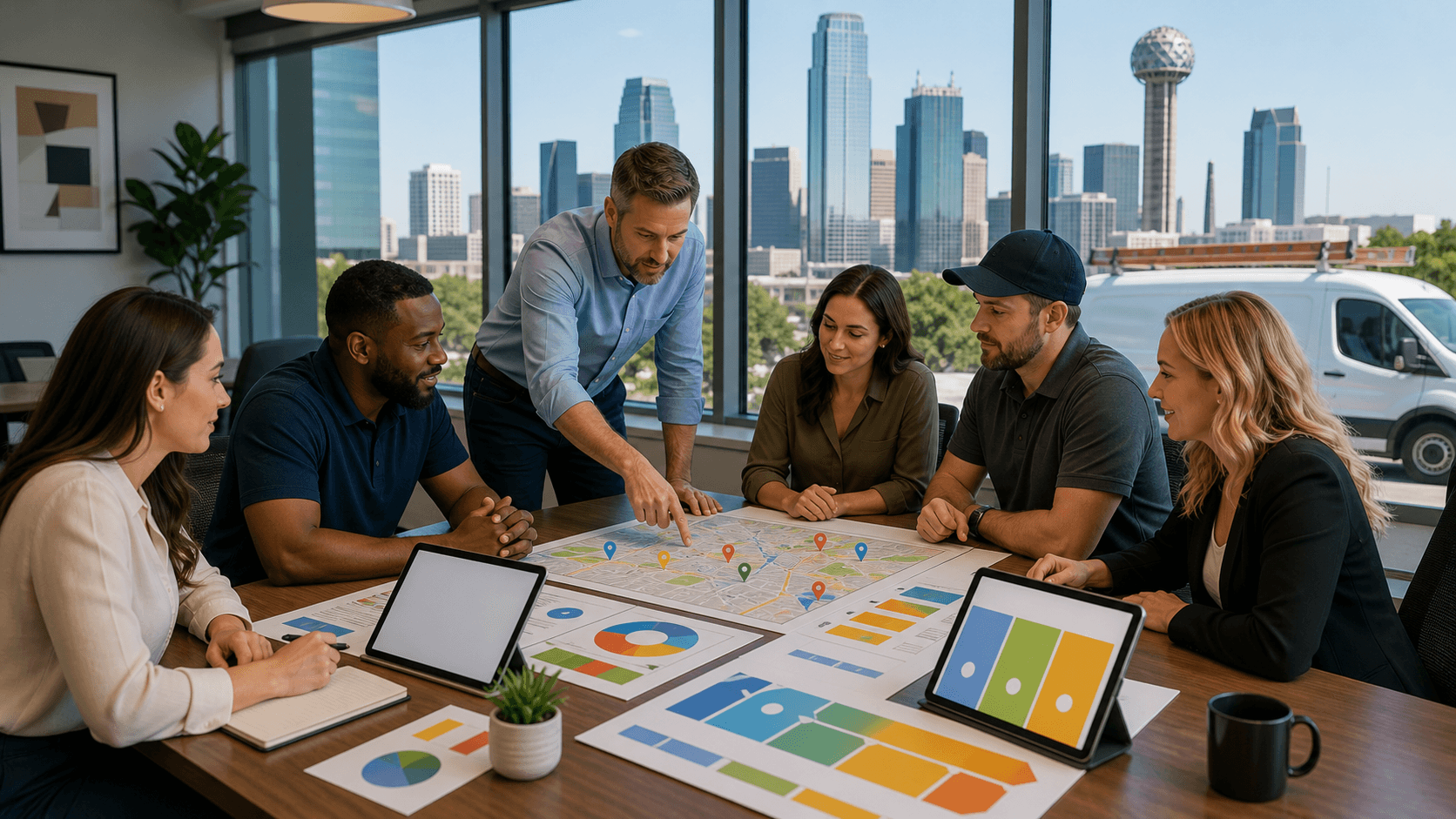
Putting this all together gives you a simple, clear plan for retargeting ads in Dallas that you can rely on. At a high level, you want to:
- Define your goals: store visits, coupon redemptions, larger tickets, repeat visits
- Set up geo-fences: around your locations and, when smart, around competitor or high-traffic spots
- Plan a holdout test: split your audience so you can measure true incremental lift
- Choose starting frequency caps: based on your industry and buying cycle, then adjust with data
- Set testing timelines: give each test enough time to gather meaningful visit data
Local experience matters here. A team that understands Dallas, Fort Worth traffic patterns, local shopper habits, and how direct response offers play with both direct mail and digital can help you move faster and make smarter decisions.
At Ad Pages Solutions, we focus on helping local Texas businesses connect their online marketing with real-world results. By combining geo-fenced store-visit retargeting, clear incrementality testing, and thoughtful frequency control, you can stop guessing, cut wasted spend, and build retargeting campaigns that actually drive people through your doors.
Turn Browsers Into Buyers With Precision Retargeting
If you are ready to recapture lost traffic and convert more of your ideal customers, our team at Ad Pages Solutions is here to help. We'll build and manage customized retargeting ads in Dallas that keep your brand in front of motivated prospects until they are ready to take action. Reach out today so we can map out a strategy tailored to your goals and budget, and start making every ad impression work harder for your business.